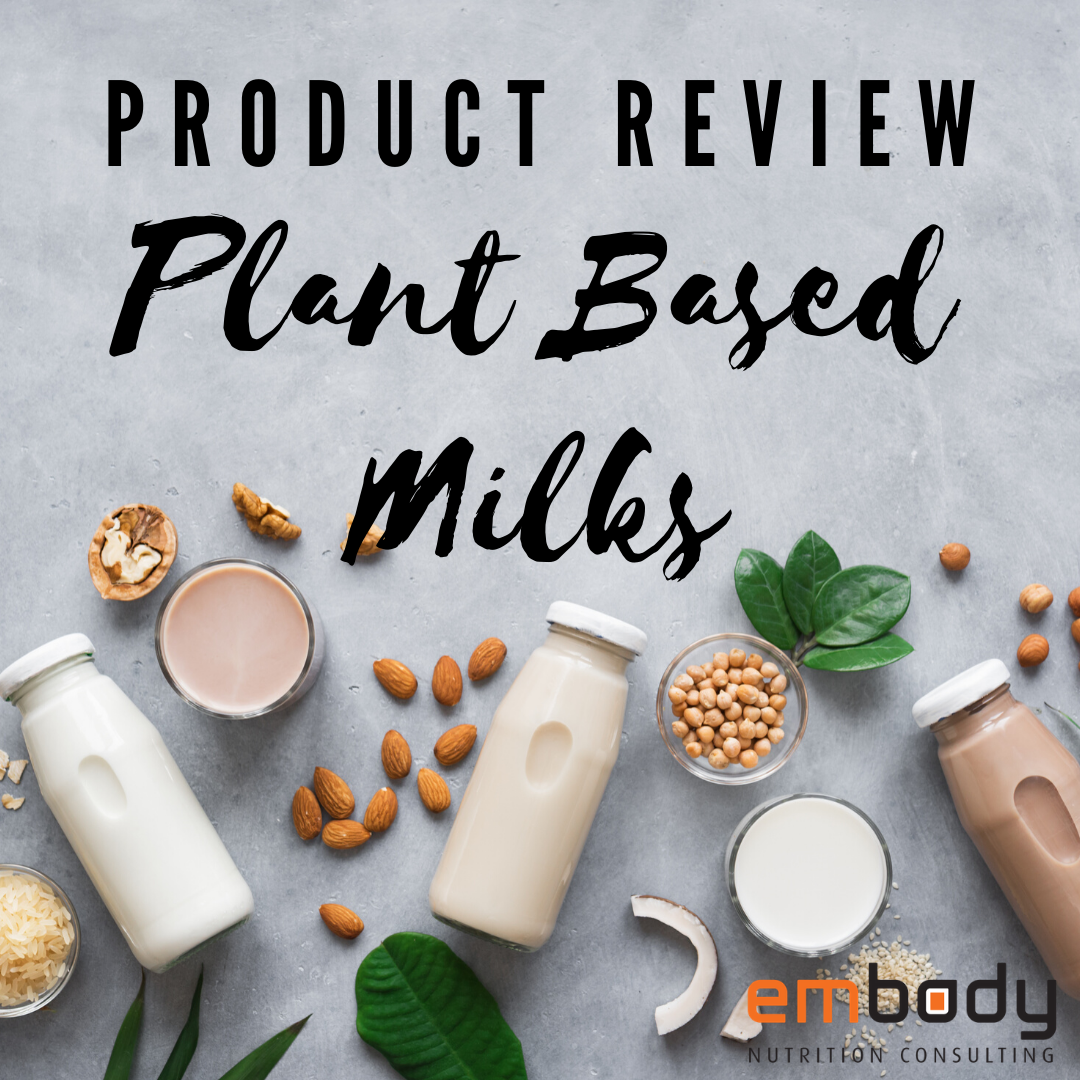
Lots of people are choosing to consume plant-based milk as part of a healthy and balanced diet. Plant-based milks can be appropriate for:
- Lactose intolerance
- Cow’s milk allergy or intolerance
- Vegan diets
- Crohn’s, Colitis or Irritable Bowel Syndrome
- Ethical concerns
Plant-based milk characteristics:
- Almond milk is typically low in calories and saturated fat. It can be suitable for people with lactose or soy intolerance. Due to the popularity of almond milk, there is a broad range of vitamin-fortified products available. Almond milk is typically very low in protein (unless fortified).
- Soy milk is naturally higher in protein than other plant-based milks, and there is a wide range of calcium and/or vitamin fortified soy milks available in supermarkets.
- Oat milk, similarly to almond milk, is low in calories and saturated fats. It is moderately high in protein, and contains beta glucan which is a form of dietary fibre that improves cholesterol levels and heart-health.
- Other plant-based milks:
- Rice milk is the most hypoallergenic of all plant-based milks and is low in fat. However, it is low in protein and fortified rice milk is not readily available in major supermarkets. Rice milk is also higher in natural sugars than other plant-based milks.
- Coconut milk is low in calories and carbohydrates. However, it is high in saturated fats, low in calcium and low in protein.
Choosing a plant-based milk can be overwhelming. There is a wide variety of products available, including products which are high in sugar, fat, or calorie content. We have put together a list of plant-based milk products with moderate to high protein levels, and low calorie content. These products are available at your local supermarket, and can be a great addition to your diet, or as a cow’s milk replacement.
If you are planning to remove dairy from your diet, ensure you are still meeting adequate daily calcium requirements.
Nutritional profile of plant-based milks per 250mL serve:
| Product | Calories | Protein | Fat | Additional Information |
Vitasoy Almond Protein+ Unsweetened Almond Milk 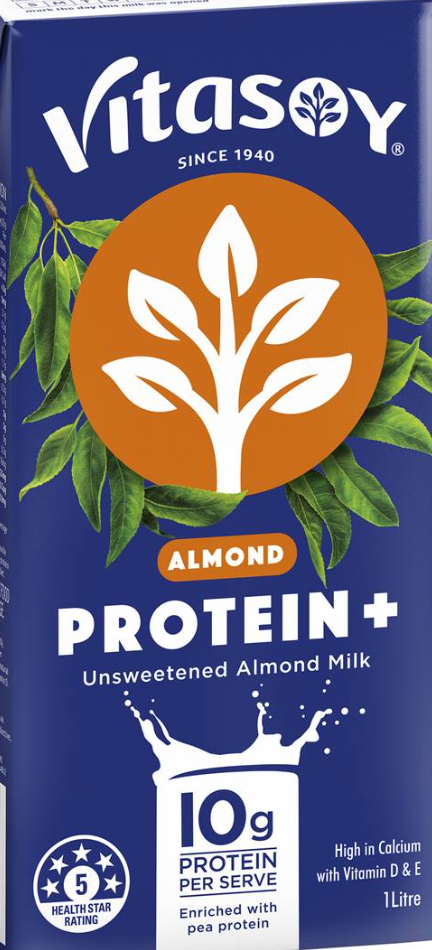 | 90 calories | 10g | 5.3g | – Available at Woolworths – Enriched with pea protein – Unsweetened – A serve contains 38% of calcium Recommended Dietary Intake |
Inside Out Unsweetened Almond Milk 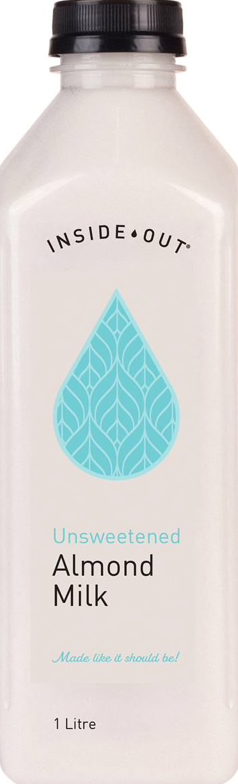 | 90 calories | 3.8g | 7.8g | – Available at Woolworths – Highest percentage of almond content compared to other almond milk products – Refrigerated, not long-life milk – Unsweetened |
Vitasoy Soy Protein+ Milk 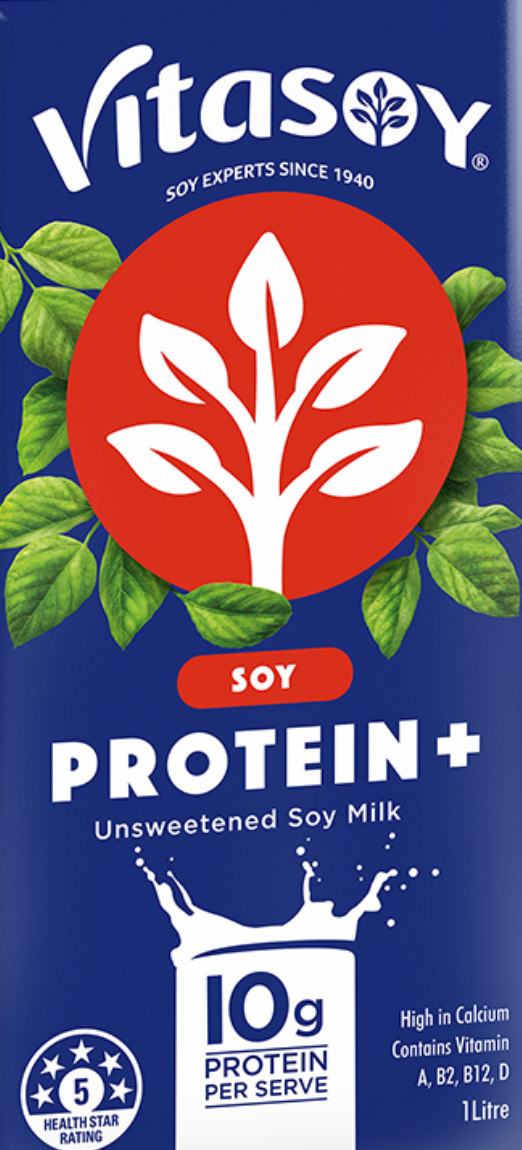 | 125 calories | 10g | 7.5g | – Available at Woolworths – Unsweetened – A serve contains 50% of daily calcium requirements – Fortified with Vitamin D, Vitamin A, Vitamin B12 and Vitamin B2 |
Vitasoy Calci-Plus Soy Milk 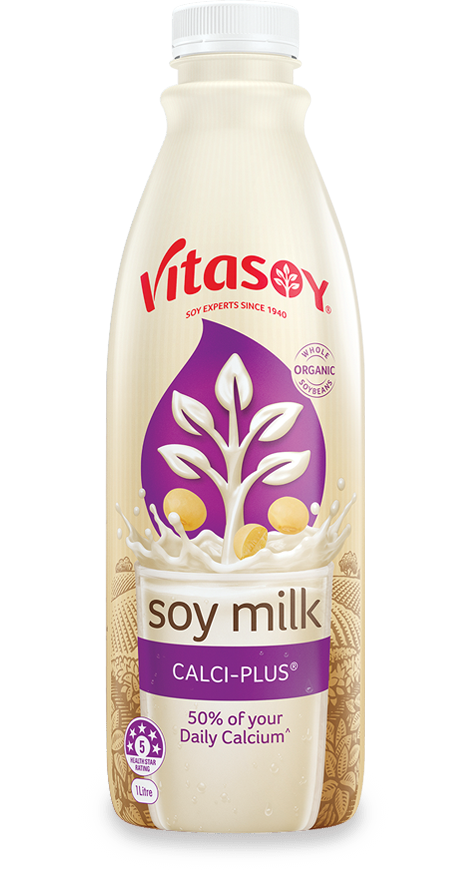 | 160 calories | 8g | 7.5g | – Available at Coles and Woolworths – Contains 50% of recommended Vitamin D daily intake – Contains 50% of recommended Vitamin B12 daily intake – Contains 50% of recommended calcium daily intake – Sweetened |
PureHarvest Unsweetened Oat Milk 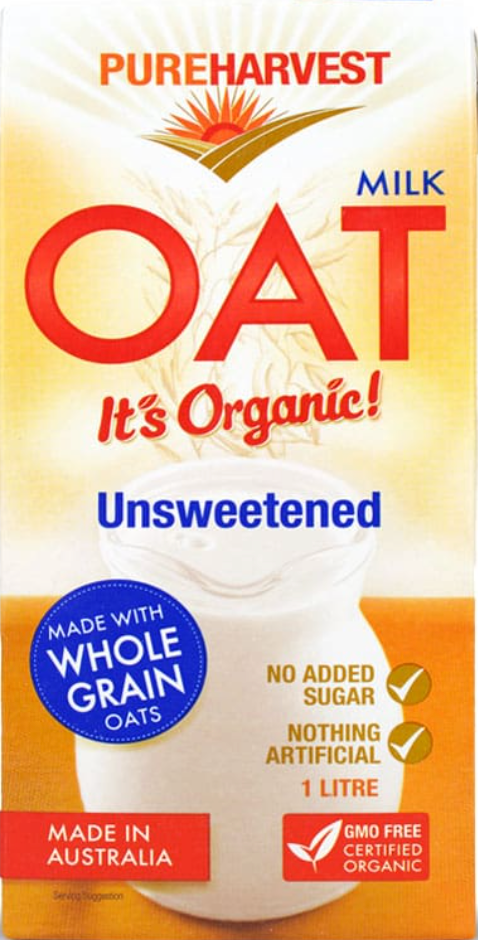 | 140 calories | 4.5g | 4.6g | – Available at Coles and Woolworths – This product has the highest protein content per serve compared to other oat milks available on the market |
Coles Organic Unsweetened Oat Milk 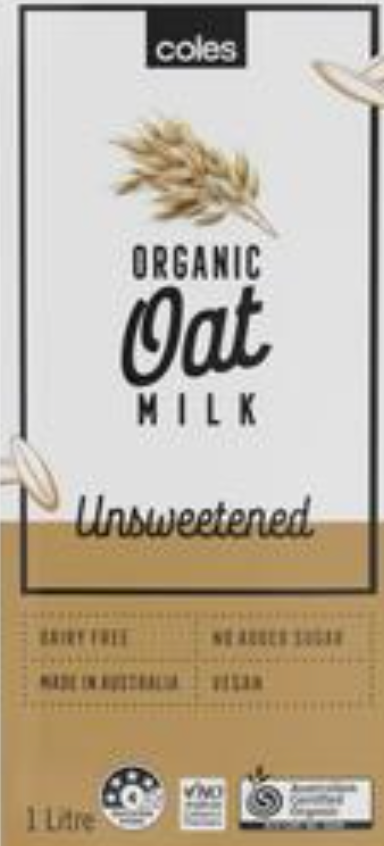 | 138 calories | 3.8g | 4g | – Available at Coles – Unsweetened |