
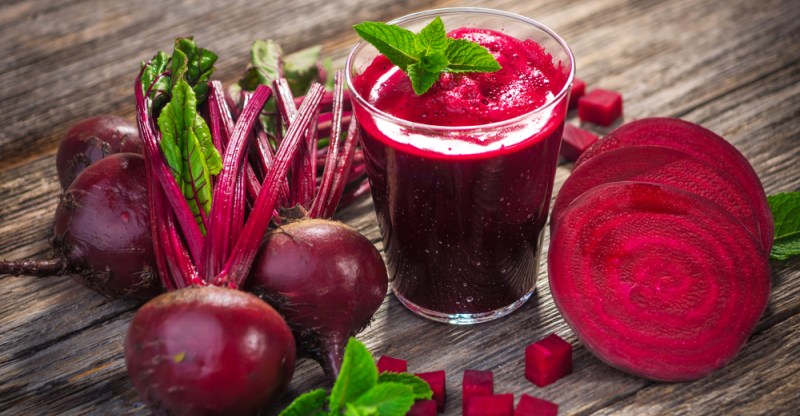
Last week I was lucky enough to listen to an amazing webinar from Professor Andrew Jones, about all the latest research surrounding Nitrates; or as it is more commonly known, beetroot juice. A lot of my clients are already using this supplement, particularly for endurance events, but it has now been shown to have benefits beyond this. Let’s have a closer look…
What are Nitrates and why are they beneficial?
Nitrates are found in lots of fruit and vegetables, particularly green leafy vegetables, but one source has been utilised extensively in the research…the humble beetroot. Beetroot juice has morphed over the last few years from a DIY supplement, to a much more convenient and concentrated ‘shot’ that you can purchase from most supplement shops.
When beetroot juice is consumed (or any other source of nitrate), the nitrates in it are converted to nitrites, which are then converted to nitric oxide. Nitric oxide has been shown to cause vasodilation (dilation of the blood vessels), which in turn decreases blood pressure (great for general population, not just athletes!). This allows more blood to flow through to the muscles and therefore more oxygen circulating through the body. This has been found to decrease the ‘energy cost’ of exercise, ie, you’re not using up as much energy as you normally would for a specific activity. As well as this, exercise tolerance (how far you can push yourself) also improved with beetroot juice supplementation. Pretty amazing, right?!
Who is this useful for?
Initially, most of the research was conducted in endurance sports (and it has been shown to be beneficial here), but more recently, studies have shown that team sport athletes have also benefited from consuming beetroot juice. It has been found to improve high intensity (single sprint or intermittent) exercise performance and muscle power. There is also some new research being conducted on practical implications for older adults in improving their ability to exercise. All this from a natural food! Blows my mind.
When should I take it and how much?
The concentrated beetroot ‘shots’ are approximately 70mL and contain about 6-8mmol of nitrates, which has been shown to be effective. Keep in mind, you can get this amount from about half a litre of regular beetroot juice, but it doesn’t taste amazing and that amount of fluid before training could affect the gut.
Nitric oxide levels will peak in the body about 2-3 hours after taking the supplement, so consuming it 2-3 hours prior to an event is advised. It is also shown that athletes may benefit from 3-5 of supplementation prior to the event, as well as the ‘shot’ on the day. Some research has come out to support the idea of topping up with a ‘shot’ during a race (for endurance events) and this looks promising and could be considered, if it is well tolerated.
Finally, it is interesting to note that the more elite the athlete is, the less they seem to benefit from beetroot juice supplementation. So in fact, recreational athletes are the ones who have been identified to benefit the most!
As always, do not try any new supplement or food on the day of your event. Always practice your eating routine prior so that there are no unforeseen issues on the day.
One thought on “Supplement Series #2 – Nitrates”
Comments are closed.