
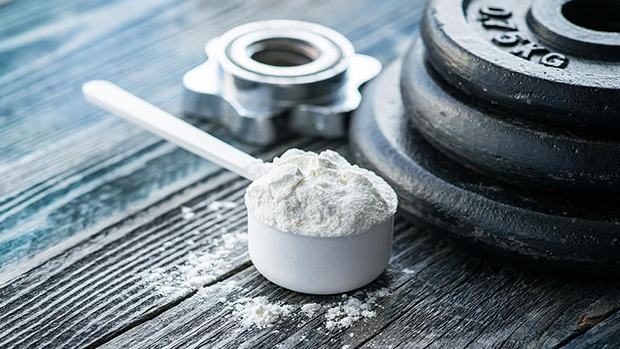
Supplement Series #3 – Creatine

Creatine is one of the most extensively researched supplements available and the evidence clearly shows that it works.

Creatine supplementation can enhance performance in sports involving repeated high-intensity efforts. This includes resistance training, sprint-based sports and activities with intermittent work patterns such as team sports and racquet sports.

While this article focuses on creatine supplementation, it is worth noting that creatine is also obtained through the diet from foods such as meat and fish and is naturally produced in the body. That said, creatine stores vary significantly between individuals based on factors such as age, sex and dietary habits.

How Does Creatine Work?

Creatine plays a key role in energy production within muscle cells.

Muscle contraction requires energy in the form of adenosine triphosphate (ATP). During high-intensity exercise, ATP is rapidly broken down. Creatine helps recycle ATP, allowing muscles to continue generating force for longer.

By increasing muscle creatine stores, supplementation can:

  • Improve fatigue resistance

  • Support repeated high-intensity efforts

  • Enhance short-duration performance with brief recovery periods

Supplementation can increase muscle creatine stores by up to 50 percent, providing greater capacity to continue producing energy during intense exercise.

Who Benefits From Creatine Supplementation?

Creatine is most beneficial for activities involving short, explosive or repeated high-intensity efforts.

This includes:

  • Strength and resistance training

  • Sprinting sports

  • Team sports

  • Racquet sports

Creatine is less likely to benefit endurance activities performed at steady, low intensities.

It is also important to note that not everyone responds to creatine supplementation. Approximately 20 to 30 percent of people are considered non-responders, meaning they may not experience noticeable performance improvements.

How to Take Creatine

Creatine supplementation can be approached in two main ways.

Loading phase option

  • 20 g per day for 5 to 7 days

  • Followed by a maintenance dose of 3 to 5 g per day

This approach rapidly saturates muscle creatine stores.

No loading phase option

  • 3 to 5 g per day for 3 to 4 weeks

Research shows this approach leads to similar muscle saturation over time without the need for a loading phase.

Creatine does not need to be timed around training but does need to be taken consistently. Consuming creatine alongside a carbohydrate-containing meal or snack may help improve muscle uptake.

Which Form of Creatine Is Best?

The most researched, most effective and most affordable form of creatine is creatine monohydrate.

Despite marketing claims, more expensive or “advanced” forms of creatine have not been shown to be superior. Creatine monohydrate remains the gold standard and is the form recommended for athletes.

Is Creatine Safe?

Creatine has a strong safety profile when used at recommended doses in healthy individuals.

Concerns about kidney damage are not supported by evidence in people without pre-existing kidney disease. As with all supplements, individual needs and health history should be considered before use.

Key Takeaways on Creatine

Creatine is one of the most effective and well-supported supplements for improving high-intensity performance.

When taken consistently, it can improve strength, power and repeated sprint ability. Like all supplements, it works best when layered on top of a solid nutrition foundation rather than used as a replacement for it.

Frequently Asked Questions About Creatine

Will creatine cause weight gain?

Creatine may cause a small increase in body weight due to increased water storage in muscle cells. This is not fat gain and is generally associated with improved muscle function and performance.

Do you need to cycle creatine?

There is no evidence to suggest creatine needs to be cycled. It can be used safely and effectively on an ongoing basis.

Is creatine only for bodybuilders?

No. Creatine can benefit a wide range of athletes, including those involved in team sports, sprint-based activities and high-intensity training.

Can vegetarians benefit more from creatine?

Vegetarians often have lower baseline creatine stores due to lower dietary intake from animal foods. Because of this, they may experience a greater response to supplementation.

Explore More From the Supplement Series

If you want to continue learning about evidence-based supplements, check out the other articles in our Supplement Series on protein powders and nitrates.